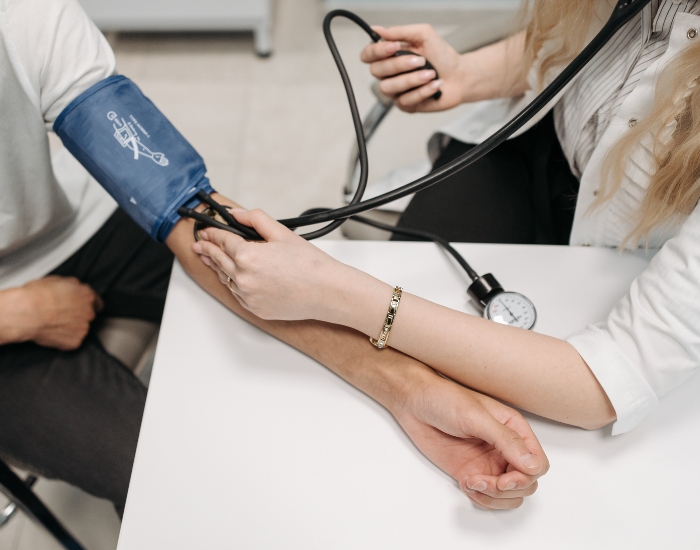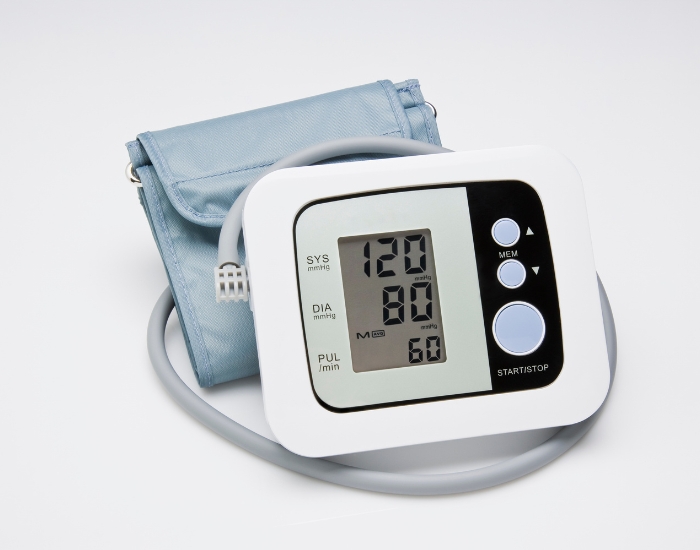
Have you ever looked at your blood pressure reading and wondered what those two numbers actually mean? Maybe you were told your blood pressure was “a little high” during a routine checkup, or perhaps you’ve been monitoring it at home and aren’t sure whether your readings are normal. You’re certainly not alone.
Blood pressure is one of the most important indicators of your overall health, yet it’s also one of the most misunderstood. Many people focus only on whether the numbers are “good” or “bad” without understanding what those measurements reveal about their heart, arteries, and long-term health. Knowing how to interpret your blood pressure readings can help you recognize potential problems early and make informed decisions about your health.
Whether you’re checking your blood pressure for the first time, managing hypertension, or simply trying to stay proactive about your cardiovascular health, understanding your readings is an essential part of preventing serious conditions like heart disease, stroke, and kidney disease.
Table of Contents
- Important Note
- What Is Blood Pressure?
- Understanding the Two Blood Pressure Numbers
- What Is Considered a Normal Blood Pressure Reading?
- Why Your Blood Pressure Changes Throughout the Day
- What Can Affect Your Blood Pressure Reading?
- How to Measure Blood Pressure Correctly at Home
- Important Note
- When Should You Schedule a Doctor’s Visit?
- Why Regular Follow-Up Matters
- Blood Pressure Care in Katy, TX
- Frequently Asked Questions
- Medical Disclaimer
Important Note
A single blood pressure reading doesn’t always tell the whole story. Your numbers can change throughout the day based on your activity level, stress, sleep, medications, and even what you’ve recently eaten or drank. Understanding what influences your readings—and knowing when they may indicate a health concern—can help you take the right steps before serious complications develop.
What Is Blood Pressure?
Every second of every day, your heart pumps oxygen-rich blood through an intricate network of arteries that supply every organ and tissue in your body. Blood pressure is simply the force that this moving blood places against the walls of your arteries as it travels through your circulatory system.
Think of your circulatory system as a carefully designed plumbing network. Your heart functions as the pump, your arteries are the pipes, and your blood carries oxygen and nutrients where they’re needed. When the pressure inside those arteries stays within a healthy range, your organs receive the blood flow they need without placing unnecessary strain on your cardiovascular system.
If the pressure becomes consistently too high, however, your heart has to work harder to circulate blood. Over time, this extra workload can damage blood vessels throughout the body and increase the risk of serious medical conditions, including heart disease, stroke, kidney disease, and vision problems.
On the other hand, blood pressure that’s consistently too low may reduce blood flow to vital organs, leading to dizziness, fainting, fatigue, or other health concerns.
That’s why blood pressure is routinely checked during appointments with your primary care physician. It’s one of the quickest and most valuable ways to assess your cardiovascular health and detect potential problems before symptoms appear.

Understanding the Two Blood Pressure Numbers
When your healthcare provider tells you your blood pressure is 118 over 76, both numbers provide valuable information. Each reflects a different stage of your heart’s pumping cycle, and together they help physicians evaluate how well your cardiovascular system is functioning.
Systolic Blood Pressure: The Top Number
The first, or top, number is called the systolic blood pressure. It measures the amount of pressure inside your arteries at the exact moment your heart contracts and pumps blood throughout your body.
Because this is when your heart is working its hardest, the systolic number is always higher than the bottom number. As people age, this number often becomes more important because arteries naturally become less flexible over time.
A consistently elevated systolic reading may indicate that your heart is working harder than it should or that your arteries have become stiffer due to aging or underlying cardiovascular disease.
Diastolic Blood Pressure: The Bottom Number
The second, or bottom, number is called the diastolic blood pressure. This measures the pressure inside your arteries while your heart relaxes between beats and fills with blood before the next contraction.
Even though your heart is resting during this phase, blood continues flowing throughout your body. A healthy diastolic pressure indicates that your arteries are allowing blood to circulate efficiently while your heart prepares for the next beat.
If the diastolic number remains elevated over time, it may also increase the risk of heart disease, stroke, and kidney damage.
Both numbers are equally important. Sometimes only the systolic number is elevated, while in other cases both readings are high. Your physician considers the complete picture—including your age, medical history, lifestyle, and other risk factors—before making a diagnosis or recommending treatment.
What Is Considered a Normal Blood Pressure Reading?
One of the most common questions patients ask is, “What should my blood pressure actually be?” The answer depends on several factors, but established clinical guidelines provide general ranges that help physicians evaluate cardiovascular health.
In most healthy adults:
- Normal: Less than 120/80 mmHg
- Elevated: Systolic between 120 and 129 with a diastolic below 80
- Stage 1 Hypertension: 130–139 systolic or 80–89 diastolic
- Stage 2 Hypertension: 140/90 mmHg or higher
It’s important to remember that these categories are based on repeated readings over time—not just a single measurement. Blood pressure naturally fluctuates throughout the day, which is why your physician usually looks for consistent patterns rather than relying on one isolated number.
For example, if your blood pressure is slightly elevated after rushing into an appointment or drinking coffee, your physician may recommend repeating the measurement later or monitoring your readings at home before determining whether treatment is necessary.
Routine physical examinations are an excellent opportunity to monitor these trends and identify changes before they lead to long-term complications.
Why Your Blood Pressure Changes Throughout the Day
If you’ve ever taken your blood pressure twice in the same day and noticed different results, you might have wondered whether something was wrong with your monitor. In reality, it’s completely normal for blood pressure to rise and fall throughout the day.
Your body is constantly responding to changes in your environment and activity level. Blood pressure increases when your heart needs to deliver more oxygen to your muscles and organs, then gradually returns to its resting level as your body relaxes.
For example, your blood pressure may temporarily increase after:
- Walking up stairs
- Exercising
- Feeling anxious or stressed
- Drinking coffee or energy drinks
- Smoking
- Experiencing pain
- Taking certain medications
It often decreases while you’re sleeping or resting quietly. These natural fluctuations are expected and don’t necessarily indicate a medical problem.
What concerns physicians is when blood pressure remains consistently elevated over weeks or months. That’s why home monitoring and regular follow-up appointments provide a much clearer picture of your cardiovascular health than one isolated reading.
What Can Affect Your Blood Pressure Reading?
Blood pressure is influenced by far more than your heart alone. Everyday habits, emotions, medications, and even the way your blood pressure is measured can all affect the numbers you see. Understanding these influences helps you avoid unnecessary worry over a single reading while ensuring that consistently high numbers receive the attention they deserve.
One of the most common reasons for an unexpectedly high reading is stress. Whether you’re rushing to an appointment, worried about work, or simply feeling anxious in a medical office, your body releases hormones that temporarily increase your heart rate and tighten blood vessels. This natural response can cause your blood pressure to rise for a short period.
Caffeine is another common factor. Coffee, tea, energy drinks, and some sodas may temporarily increase blood pressure, particularly if you’re sensitive to caffeine or consume it shortly before checking your reading.
Other factors that may influence your blood pressure include:
- Smoking or vaping nicotine products
- Recent physical activity or exercise
- Alcohol consumption
- Certain over-the-counter cold medications
- Pain or illness
- Poor sleep
- Dehydration
- A full bladder
- Incorrect cuff size
- Talking while the reading is being taken
Even your body position matters. Crossing your legs, supporting your arm incorrectly, or sitting without back support may produce readings that are higher than your true blood pressure.
For patients managing chronic conditions such as diabetes, high blood pressure, or chronic kidney disease, consistent and accurate measurements become even more important because treatment decisions often depend on long-term trends rather than isolated readings.
How to Measure Blood Pressure Correctly at Home
Home blood pressure monitoring has become an essential part of managing cardiovascular health. It allows you and your physician to see how your blood pressure behaves during your normal daily routine instead of relying only on measurements taken during office visits.
However, the accuracy of your home readings depends on using the correct technique. Small mistakes can easily produce readings that are higher or lower than your actual blood pressure.
Prepare Before Taking Your Reading
About 30 minutes before measuring your blood pressure, avoid smoking, drinking caffeine, exercising, or consuming alcohol. These activities may temporarily increase your blood pressure and make the reading less representative of your usual level.
Empty your bladder beforehand, as a full bladder can slightly elevate blood pressure in some individuals.
Create a Calm Environment
Find a quiet place where you can sit comfortably for at least five minutes before taking your measurement. Avoid talking, texting, or watching something stressful while your blood pressure is being checked.
Sit with:
- Your back fully supported.
- Both feet flat on the floor.
- Your legs uncrossed.
- Your arm resting comfortably at heart level.
The cuff should fit snugly around your upper arm without being overly tight. Using the wrong cuff size may lead to inaccurate readings.
Take Multiple Readings
Instead of relying on a single measurement, many healthcare providers recommend taking two readings about one minute apart and recording both results. Over several days, these readings provide a much clearer picture of your blood pressure than a single isolated measurement.
Keeping a written log or using a digital app can help identify trends that may otherwise go unnoticed.
If your readings remain consistently elevated despite following proper technique, schedule an appointment with your primary care physician for a comprehensive evaluation.
Important Note
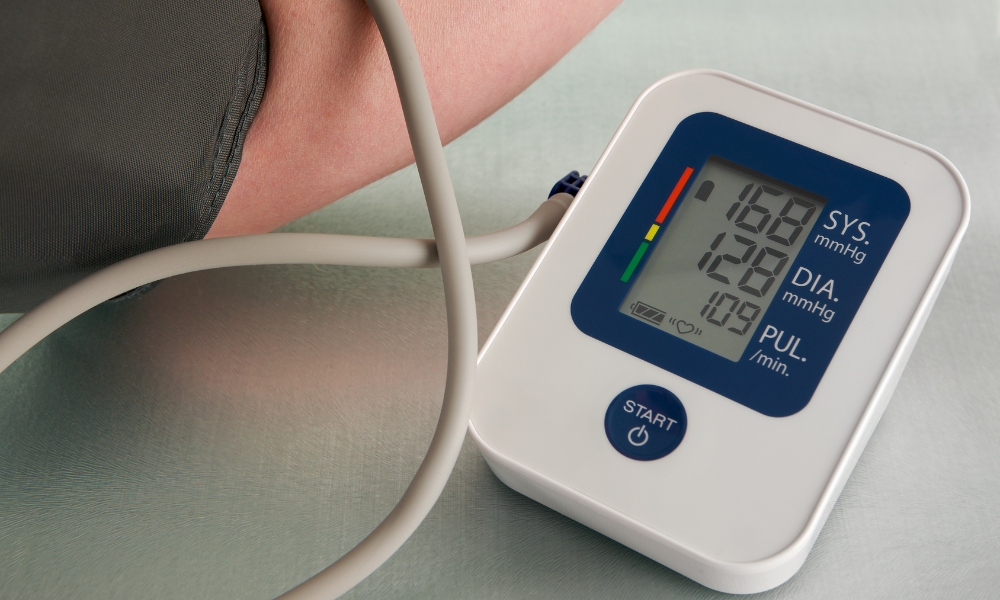
Don’t panic over one unexpected blood pressure reading. Temporary increases can happen after exercise, stress, caffeine, illness, or even a poor night’s sleep. What’s most important is recognizing patterns over time. If your readings remain consistently above your target range, schedule an appointment with your healthcare provider rather than trying to diagnose or adjust treatment on your own. Early evaluation often leads to simpler, more effective management.
When Should You Schedule a Visit With Your Primary Care Physician?
Many people wait until they experience symptoms before making an appointment. Unfortunately, high blood pressure often develops without causing any noticeable warning signs. By the time symptoms appear, the condition may have already affected the heart, kidneys, brain, or blood vessels.
That’s why regular blood pressure screenings are recommended even for adults who feel completely healthy.
You should schedule a visit with your healthcare provider if:
- Your home blood pressure readings remain consistently elevated over several days or weeks.
- You have a family history of hypertension or heart disease.
- You have diabetes, obesity, high cholesterol, or kidney disease.
- You’ve been told during previous appointments that your blood pressure is increasing.
- You need guidance about lifestyle changes or medication management.
Even if your readings are only slightly above normal, early intervention can often prevent hypertension from progressing. In many cases, healthy lifestyle changes started early may delay or even reduce the need for medication.
However, some situations require immediate emergency care rather than a routine appointment.
Seek Emergency Medical Attention If You Experience:
- Severe chest pain
- Sudden shortness of breath
- Confusion or difficulty speaking
- Weakness on one side of the body
- Sudden vision loss
- A severe, sudden headache unlike your usual headaches
These symptoms could indicate a hypertensive emergency, stroke, or heart attack and should never be ignored.
Why Regular Follow-Up Care Is Just as Important as Your Blood Pressure Reading
A blood pressure measurement is only one piece of your overall health picture. Effective blood pressure management involves understanding why your numbers are changing, identifying any underlying medical conditions, and creating a personalized treatment plan that supports your long-term health.
Regular follow-up appointments allow your physician to evaluate trends over time rather than reacting to a single measurement. During these visits, your provider can review your home blood pressure log, discuss lifestyle habits, adjust medications if necessary, and monitor for any signs of complications.
Follow-up care also creates an opportunity to address other health conditions that commonly occur alongside hypertension, including obesity, diabetes, thyroid disorders, sleep problems, and kidney disease.
Many patients benefit from comprehensive preventive care through services such as Wellness Programs, Internal Medicine, and annual Physical Examinations, helping physicians detect health concerns before they become more serious.
Perhaps most importantly, ongoing follow-up builds a relationship with your healthcare provider. Instead of simply treating numbers on a monitor, your physician can tailor recommendations to your age, lifestyle, medical history, and personal health goals.
Personalized Blood Pressure Care in Katy, TX
Understanding your blood pressure numbers is only the beginning. The real goal is maintaining healthy blood pressure over time to reduce your risk of heart disease, stroke, kidney disease, and other serious complications. That requires more than occasional readings—it requires ongoing partnership with a trusted healthcare provider.
At West Houston Internal Medicine, we believe every patient deserves individualized care. Blood pressure is never evaluated in isolation. Instead, we consider your complete health profile, including your age, family history, medical conditions, medications, lifestyle, and overall cardiovascular risk before making recommendations.
Whether you’ve recently noticed higher readings at home, have been diagnosed with hypertension, or simply want to stay proactive about your health, our team provides comprehensive evaluations, preventive care, and long-term management tailored to your needs.
Patients throughout Katy, Fulshear, and the Greater Houston area trust our practice for evidence-based care that focuses on prevention as much as treatment. By combining regular monitoring, patient education, healthy lifestyle guidance, and medication management when appropriate, we help patients protect their long-term health and improve their quality of life.
If it’s been more than a year since your last routine checkup—or you’ve noticed consistently elevated blood pressure readings—it may be time to schedule a visit with an experienced primary care physician. Early evaluation can identify potential concerns before they lead to more serious health problems.
Healthy Habits That Support Better Blood Pressure
While some risk factors, such as age and family history, can’t be changed, many daily habits have a significant influence on blood pressure. The encouraging news is that even small improvements can make a meaningful difference over time.
One of the most effective ways to support healthy blood pressure is maintaining a balanced eating pattern. Choosing meals rich in vegetables, fruits, whole grains, lean proteins, beans, nuts, and healthy fats provides important nutrients that support heart and blood vessel health. Reducing sodium intake and limiting heavily processed foods may also help many individuals maintain healthier blood pressure levels.
Regular physical activity is equally important. Walking, cycling, swimming, or other moderate exercise most days of the week helps strengthen the heart, improve circulation, and support healthy weight management. If you haven’t exercised recently or have existing heart disease, talk with your physician before beginning a new fitness routine.
Quality sleep should not be overlooked. Adults who consistently sleep too little—or who have untreated sleep disorders such as sleep apnea—may have greater difficulty controlling their blood pressure. Likewise, managing chronic stress through relaxation techniques, mindfulness, hobbies, or counseling can contribute to better cardiovascular health.
Finally, avoid smoking and limit alcohol consumption. Tobacco damages blood vessels and increases cardiovascular risk, while excessive alcohol may contribute to elevated blood pressure over time.
These healthy habits work best when combined with regular medical care and ongoing communication with your healthcare provider.
Common Myths About Blood Pressure
Because hypertension is so common, there are many misconceptions about what blood pressure numbers actually mean. Believing these myths may delay diagnosis or prevent people from seeking appropriate medical care.
Myth: “I feel fine, so my blood pressure must be normal.”
Fact: High blood pressure often develops silently without noticeable symptoms. Many people feel perfectly healthy despite having readings that require medical attention.
Myth: “One normal reading means everything is fine.”
Fact: Blood pressure naturally changes throughout the day. Physicians evaluate patterns over time rather than relying on a single measurement.
Myth: “Only older adults develop hypertension.”
Fact: Although the risk increases with age, younger adults can also develop high blood pressure, especially if they have obesity, diabetes, kidney disease, or a family history of hypertension.
Myth: “If medication lowers my blood pressure, I can stop taking it.”
Fact: Blood pressure often remains controlled because the medication is working. Never stop or adjust prescribed medications without discussing it with your healthcare provider.
Myth: “Home blood pressure monitors aren’t accurate.”
Fact: When used correctly with a properly fitted upper-arm cuff, many home monitors provide reliable information that helps physicians manage hypertension more effectively.
Frequently Asked Questions
What do the two blood pressure numbers mean?
The top number (systolic) measures the pressure in your arteries when your heart contracts and pumps blood. The bottom number (diastolic) measures the pressure while your heart relaxes between beats. Both numbers help your physician evaluate your cardiovascular health.
Is one high blood pressure reading something to worry about?
Not necessarily. Stress, exercise, caffeine, illness, or anxiety can temporarily raise blood pressure. Your physician will usually evaluate multiple readings over time before diagnosing hypertension.
How often should I check my blood pressure at home?
The ideal schedule depends on your health history. People with hypertension are often advised to monitor their blood pressure regularly at home and bring their readings to follow-up appointments.
Can dehydration affect blood pressure?
Yes. Dehydration may influence blood pressure and heart rate, although its effects vary from person to person. Staying properly hydrated supports overall cardiovascular health.
Should I measure my blood pressure at the same time every day?
Yes. Measuring your blood pressure at approximately the same time each day under similar conditions provides more consistent readings and helps identify meaningful trends.
When should I call my doctor about my blood pressure?
You should contact your healthcare provider if your readings remain consistently above your target range, if you have concerns about your medications, or if you develop symptoms such as persistent headaches, dizziness, chest discomfort, or shortness of breath. Seek emergency care immediately for severe symptoms that may indicate a stroke or heart attack.
Take Charge of Your Blood Pressure Before Problems Develop
Your blood pressure numbers tell an important story about your heart and overall health. Understanding what those numbers mean—and monitoring them consistently—can help detect health concerns before they become serious. Rather than focusing on a single reading, work with your healthcare provider to identify long-term trends, address risk factors, and develop a personalized plan that supports lifelong cardiovascular wellness.
If you live in Katy, Fulshear, or the surrounding West Houston communities, West Houston Internal Medicine is here to help you stay ahead of hypertension through preventive care, comprehensive evaluations, and ongoing management. Whether you need a routine blood pressure check, guidance on healthy lifestyle changes, or treatment for hypertension, our team is committed to helping you protect your heart and your future.
Medical Disclaimer
This article is intended for educational purposes only and should not replace professional medical advice, diagnosis, or treatment. Always consult a qualified healthcare provider regarding your individual health concerns or before making changes to your medications or treatment plan. If you experience symptoms of a medical emergency, including chest pain, sudden weakness, difficulty speaking, or severe shortness of breath, call 911 or seek immediate emergency medical care.