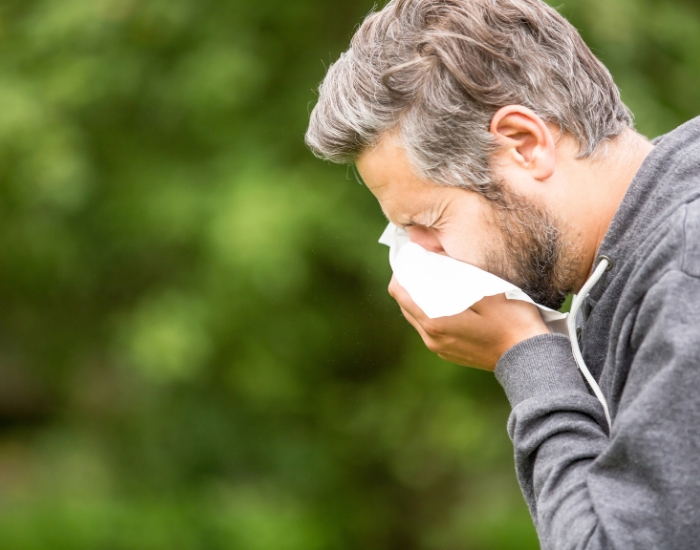
If you find yourself reaching for tissues every spring, waking up with itchy eyes, or struggling to stop sneezing after spending time outdoors, you’re not alone. Seasonal allergies affect millions of Americans every year, and for many people living in Katy, Texas, allergy season seems to last much longer than expected. The combination of warm temperatures, high pollen counts, changing weather patterns, and local vegetation can make allergy symptoms a year-round challenge rather than just a springtime inconvenience.
While seasonal allergies may seem like a minor nuisance, persistent symptoms can interfere with sleep, concentration, work productivity, outdoor activities, and overall quality of life. In some cases, untreated allergies can worsen asthma, increase the risk of sinus infections, or contribute to ongoing fatigue and headaches. Fortunately, understanding your triggers and receiving the right treatment can significantly reduce symptoms and help you enjoy every season more comfortably.
This guide explains the most common seasonal allergens in Southeast Texas, how allergies affect your body, when symptoms may indicate something more serious, and what you can do to find lasting relief with the help of your primary care physician.
Table of Contents
- Important Note
- What Are Seasonal Allergies?
- Common Seasonal Allergens in Katy, TX
- Recognizing Seasonal Allergy Symptoms
- Seasonal Allergies vs. the Common Cold
- Why Allergy Symptoms Change Throughout the Year
- Who Is Most Likely to Develop Seasonal Allergies?
- Important Note
- How Seasonal Allergies Are Diagnosed
- Treatment Options
- Reducing Allergy Exposure
- Managing Allergies and Asthma Together
- Seasonal Allergy Care in Katy, TX
- Frequently Asked Questions
- Medical Disclaimer
Important Note
Seasonal allergies don’t just cause sneezing—they can affect your sleep, energy levels, concentration, and even worsen asthma or sinus problems. Identifying your allergy triggers early and creating a personalized treatment plan can help you stay active and comfortable throughout the year instead of simply waiting for allergy season to end.
What Are Seasonal Allergies?
Seasonal allergies, also known as seasonal allergic rhinitis or “hay fever,” occur when your immune system overreacts to harmless substances in the environment. Instead of ignoring pollen, mold spores, or other airborne particles, your immune system mistakenly treats them as dangerous invaders. This triggers the release of histamine and other inflammatory chemicals that produce the familiar symptoms of allergies.
Unlike food allergies or medication allergies, seasonal allergies are usually triggered by substances that become more abundant during specific times of the year. However, because of Texas’ mild winters and long growing seasons, many residents experience allergy symptoms across multiple seasons rather than only in spring.
Every time you’re exposed to an allergen that your body recognizes as a threat, your immune system responds again. This explains why symptoms often return year after year, especially during periods of high pollen counts or changing weather conditions.
Although seasonal allergies are rarely life-threatening, they can significantly impact daily life if left untreated. Chronic nasal congestion may affect sleep quality, itchy eyes can interfere with work, and ongoing inflammation may increase the risk of sinus infections or worsen existing respiratory conditions.
Routine care through an experienced primary care physician can help identify your triggers, recommend appropriate treatment, and improve your overall quality of life.

Common Seasonal Allergens in Katy, TX
Living in Southeast Texas offers many advantages, but the region’s climate also creates ideal conditions for allergens to thrive. Warm temperatures, abundant vegetation, frequent rainfall, and long growing seasons mean allergy sufferers often experience symptoms during much of the year.
While allergy seasons vary depending on weather conditions, several allergens consistently affect residents throughout Katy and the Greater Houston area.
Tree Pollen
Tree pollen is often the first major allergen to appear each year. During late winter and spring, trees release microscopic pollen grains into the air as part of their natural reproductive cycle. Even though the pollen is invisible to the naked eye, it can travel long distances on windy days and trigger allergy symptoms in sensitive individuals.
Common tree pollen sources include oak, cedar, elm, ash, and maple trees. Because Texas weather often warms earlier than many other regions, tree pollen season may begin sooner and last longer than expected.
Grass Pollen
As spring transitions into summer, grass pollen becomes one of the most common allergy triggers. Lawns, parks, athletic fields, and roadside grasses continuously release pollen, especially after periods of rain followed by warm sunshine.
Many people notice their symptoms worsen after mowing the lawn, exercising outdoors, or spending extended time in grassy areas.
Ragweed
Ragweed is one of the most well-known causes of fall allergies. A single ragweed plant can release millions of pollen grains into the air, and the lightweight pollen may travel for miles with the wind.
Even if ragweed isn’t growing near your home, airborne pollen can still trigger allergy symptoms throughout the region.
Mold Spores
Unlike pollen, mold spores can remain a problem throughout much of the year. Humid Texas weather creates favorable conditions for mold growth both outdoors and indoors.
Outdoor mold commonly develops in:
- Wet leaves
- Mulch
- Compost piles
- Gardens
- Recently mowed lawns
Indoor mold may develop in bathrooms, kitchens, laundry rooms, basements, or areas affected by water leaks or poor ventilation.
Patients with respiratory conditions such as asthma may be especially sensitive to mold exposure because it can trigger both allergy symptoms and asthma flare-ups.
Recognizing Seasonal Allergy Symptoms
Seasonal allergies affect people differently. Some individuals experience only occasional sneezing, while others struggle with symptoms that interfere with daily life for weeks or even months at a time.
The most common allergy symptoms include:
- Frequent sneezing
- Runny nose with clear drainage
- Nasal congestion
- Itchy nose
- Watery or itchy eyes
- Red eyes
- Postnasal drip
- Scratchy throat
- Cough caused by postnasal drainage
- Reduced sense of smell
Some people also notice less obvious symptoms. Constant congestion can disrupt sleep, leading to daytime fatigue and difficulty concentrating. Others develop pressure around the forehead or cheeks due to blocked sinuses, while some experience headaches after prolonged exposure to allergens.
Children may repeatedly rub their noses upward—a behavior sometimes called the “allergic salute”—or appear unusually tired because nighttime congestion prevents restful sleep.
If allergy symptoms persist for several weeks, return every year during the same season, or interfere with your normal activities, it’s a good idea to schedule an evaluation rather than continuing to self-treat indefinitely.
Seasonal Allergies vs. the Common Cold: How Can You Tell the Difference?
Because both conditions affect the nose and throat, many people mistake seasonal allergies for a lingering cold. However, understanding a few key differences can help you determine which condition is more likely causing your symptoms.
A common cold is caused by a viral infection and usually develops over a few days. Symptoms often include fatigue, body aches, sore throat, thicker nasal mucus, and sometimes a fever. Most colds improve within seven to ten days.
Seasonal allergies, on the other hand, are caused by your immune system reacting to allergens—not a virus. Symptoms often begin shortly after exposure to pollen or mold and may continue for weeks or months if the allergen remains present.
One of the biggest clues is itching. Itchy eyes, itchy nose, and itchy throat are common with allergies but much less common with viral infections. Allergy mucus also tends to remain clear, while cold-related mucus may become thicker or change color as the illness progresses.
When symptoms don’t improve, frequently return during the same season each year, or are accompanied by wheezing or breathing difficulties, an evaluation by an experienced internal medicine physician can help determine the underlying cause.
Why Allergy Symptoms Change Throughout the Year
Many people assume allergies only occur during spring, but that’s rarely the case in Southeast Texas. Katy’s climate allows different plants to pollinate during different seasons, meaning one allergen may disappear just as another becomes more active. This is why some people feel like their allergies never truly go away.
In late winter and early spring, tree pollen is often the primary culprit. As temperatures rise, grasses begin producing pollen throughout the spring and summer months. By late summer and fall, ragweed becomes one of the most common triggers, while mold spores can remain present almost year-round due to the region’s warmth and humidity.
Weather also plays an important role. Windy days can carry pollen for miles, increasing exposure even if you aren’t near the source. Rain may temporarily wash pollen from the air, but afterward, rapid plant growth can lead to even higher pollen levels. High humidity encourages mold growth, while sudden temperature changes may make allergy symptoms feel worse.
Some people are allergic to only one seasonal allergen, while others react to several. Someone with sensitivities to tree pollen, grass pollen, and ragweed may experience symptoms across much of the year, making it seem like they constantly have a cold.
Understanding when your symptoms typically appear helps your healthcare provider identify likely triggers and recommend the most effective treatment strategy.
Who Is Most Likely to Develop Seasonal Allergies?
Seasonal allergies can affect people of any age, but certain factors increase the likelihood of developing allergic reactions.
Your family history plays a significant role. If one or both parents have allergies, asthma, or eczema, your own risk is higher. This doesn’t necessarily mean you’ll react to the same allergens, but your immune system may be more prone to allergic responses.
People who already have asthma are also more likely to experience seasonal allergies. In fact, these two conditions frequently occur together because both involve inflammation of the airways.
Additional risk factors include:
- Living in areas with high pollen counts.
- Frequent outdoor exposure for work or recreation.
- Existing eczema or other allergic conditions.
- Exposure to cigarette smoke.
- Poor indoor air quality.
- Long-term exposure to mold or damp environments.
Children may develop allergies at an early age, while adults sometimes notice symptoms for the first time after moving to a new region like Southeast Texas. Even if you’ve never experienced allergies before, repeated exposure to new environmental allergens may eventually trigger symptoms.
Important Note
Not every stuffy nose or persistent cough is caused by allergies. Some symptoms may be related to asthma, sinus infections, viral illnesses, or other medical conditions that require different treatment. If your symptoms are severe, keep returning, or aren’t improving despite over-the-counter medications, it’s important to seek a professional evaluation rather than continuing to guess the cause.
How Are Seasonal Allergies Diagnosed?
Diagnosing seasonal allergies begins with a detailed conversation about your symptoms. Your healthcare provider will ask when your symptoms started, how long they last, whether they occur during certain seasons, and what seems to make them better or worse.
Because many respiratory illnesses share similar symptoms, your physician will also review your medical history, family history, medications, and any existing conditions such as asthma or chronic sinus problems.
A physical examination often includes evaluating the nose, throat, ears, eyes, and lungs. Swollen nasal tissues, clear drainage, watery eyes, or certain breathing sounds may provide valuable clues.
Depending on your symptoms, additional testing may be recommended. Allergy testing can help identify specific triggers such as grass pollen, tree pollen, mold spores, or ragweed. Knowing exactly what causes your symptoms allows treatment to be more targeted and effective.
If your symptoms involve wheezing, shortness of breath, or persistent coughing, your physician may also evaluate your lung function to determine whether asthma is contributing to your breathing difficulties.
Comprehensive evaluations through Family Medicine or Primary Care help ensure that other medical conditions aren’t mistaken for seasonal allergies.
Treatment Options for Seasonal Allergies
The best allergy treatment depends on the severity of your symptoms, the allergens involved, your overall health, and whether allergies are affecting your sleep, work, or daily activities. Most treatment plans combine reducing allergen exposure with medications that control inflammation and relieve symptoms.
Antihistamines
Antihistamines are among the most commonly used allergy medications. They work by blocking histamine—the chemical responsible for itching, sneezing, watery eyes, and a runny nose. Many modern antihistamines provide symptom relief while causing less drowsiness than older medications.
Nasal Corticosteroid Sprays
For people with persistent nasal congestion or significant inflammation, nasal steroid sprays are often one of the most effective long-term treatments. Rather than simply masking symptoms, they reduce inflammation inside the nasal passages, allowing easier breathing over time.
Eye Drops
If itchy, watery, or red eyes are your primary concern, medicated eye drops may help relieve irritation and reduce inflammation caused by airborne allergens.
Saline Nasal Irrigation
Using a saline rinse can help flush pollen, dust, and mucus from the nasal passages. Many patients find that regular saline irrigation reduces congestion and improves comfort during periods of high pollen exposure.
Prescription Medications
Individuals with moderate to severe allergies or symptoms that don’t improve with over-the-counter treatments may benefit from prescription medications. Your healthcare provider will determine which option is most appropriate based on your medical history and overall health.
Because every patient is different, treatment should always be personalized rather than based solely on recommendations from friends or online sources.
Practical Ways to Reduce Allergy Exposure Throughout the Year
While it’s impossible to eliminate pollen and mold from the environment completely, small daily habits can significantly reduce your exposure and help minimize symptoms.
During periods of high pollen counts, try to keep windows closed in both your home and vehicle. Air conditioning with clean filters can help reduce the amount of pollen entering indoor spaces.
If you’ve spent time outdoors, changing clothes and showering before bedtime removes pollen that may have collected on your hair and skin. Washing bedding regularly also helps reduce ongoing exposure.
Homeowners can reduce mold growth by controlling indoor humidity, repairing water leaks promptly, and ensuring bathrooms and kitchens are well ventilated.
Other helpful strategies include:
- Checking daily pollen forecasts before outdoor activities.
- Limiting outdoor exercise during peak pollen hours.
- Wearing sunglasses to reduce pollen exposure to the eyes.
- Using high-quality HVAC filters.
- Keeping pets clean after spending time outdoors.
These preventive measures may seem simple, but together they can substantially reduce the amount of allergens your immune system encounters each day.
Managing Seasonal Allergies and Asthma Together
Seasonal allergies and asthma often go hand in hand. In fact, many people who have asthma notice that their breathing becomes more difficult during times of high pollen or mold counts. This happens because the same allergens that irritate the nose and eyes can also inflame the airways, making them more sensitive and reactive.
For some individuals, allergies may trigger coughing, chest tightness, wheezing, or shortness of breath. Others may find that their asthma medications don’t seem to work as well when allergy symptoms are poorly controlled. Addressing both conditions together is often the most effective way to improve breathing and reduce flare-ups.
If you have asthma and notice worsening symptoms during certain seasons, don’t ignore the changes. A healthcare provider can review your symptoms, adjust your treatment plan if needed, and help you identify environmental triggers that may be affecting your lungs.
At West Houston Internal Medicine, patients with respiratory concerns receive comprehensive care that considers the relationship between allergies, asthma, and overall lung health. Managing allergies effectively can often lead to better asthma control and fewer disruptions to daily life.
Patients with ongoing respiratory symptoms may also benefit from evaluation through our Asthma Care and Primary Care Services to develop a personalized management plan.
Seasonal Allergy Care in Katy, TX
Living in Katy means enjoying beautiful parks, outdoor activities, and a warm climate—but it also means dealing with one of the country’s longest allergy seasons. Fortunately, you don’t have to simply “live with” persistent allergy symptoms.
At West Houston Internal Medicine, we take a comprehensive approach to seasonal allergy care. Rather than focusing only on temporary symptom relief, we work to understand how allergies are affecting your overall health, daily routine, sleep quality, and existing medical conditions.
Your care begins with a detailed evaluation that considers your medical history, symptom patterns, possible environmental triggers, and any related conditions such as asthma or chronic sinus issues. From there, we develop an individualized treatment plan that may include lifestyle recommendations, medication management, and ongoing follow-up care when needed.
Our goal is not only to reduce sneezing or congestion but also to help patients breathe easier, sleep better, remain active, and enjoy every season with greater comfort and confidence.
Whether your symptoms occur only in the spring or continue throughout much of the year, regular visits with an experienced Internal Medicine physician can help prevent recurring symptoms from interfering with your quality of life.
Simple Lifestyle Habits That Can Make a Big Difference
Although medications are helpful for many people, daily habits also play an important role in reducing allergy symptoms. Small adjustments to your routine can decrease allergen exposure and improve how you feel throughout the season.
Start by paying attention to local pollen forecasts. On days when pollen counts are especially high, consider planning outdoor activities for later in the day when levels may be lower. If you’ve been gardening, mowing the lawn, or spending time outdoors, changing clothes and washing your face or showering afterward can remove pollen before it spreads throughout your home.
Indoor air quality is equally important. Replacing HVAC filters regularly, keeping humidity under control, and vacuuming with a HEPA-filter vacuum can reduce allergens inside your home. If mold is a concern, addressing leaks and improving ventilation promptly can help prevent spores from spreading.
Supporting your immune system through healthy habits also matters. Getting enough sleep, staying physically active, eating a balanced diet, and staying well hydrated may not eliminate allergies, but they can help your body respond more effectively during allergy season.
Common Myths About Seasonal Allergies
There are many misconceptions surrounding seasonal allergies. Understanding what’s true—and what’s not—can help you make informed decisions about your health.
Myth: Allergies only happen during spring.
Fact: In Southeast Texas, different allergens are active throughout the year. Tree pollen, grasses, ragweed, and mold each have their own seasons, and some overlap significantly.
Myth: Rain completely eliminates pollen.
Fact: Rain often washes pollen out of the air temporarily, but it also promotes plant growth. As vegetation grows, pollen levels may increase again within a short period.
Myth: Allergies are just a minor inconvenience.
Fact: Untreated allergies can interfere with sleep, concentration, school performance, work productivity, and asthma control. Chronic inflammation may also contribute to sinus infections and persistent fatigue.
Myth: Moving indoors completely solves the problem.
Fact: Pollen and mold can enter homes on clothing, pets, shoes, and through ventilation systems. Indoor allergen management is just as important as reducing outdoor exposure.
Myth: If over-the-counter medication helps a little, there’s no need to see a doctor.
Fact: Persistent or severe symptoms deserve medical evaluation. Your physician can rule out other conditions, recommend more effective treatment options, and help prevent complications.
Frequently Asked Questions
When is allergy season in Katy, Texas?
Because of Southeast Texas’ warm climate, allergy season can occur during much of the year. Tree pollen is common in late winter and spring, grass pollen peaks during spring and summer, ragweed becomes more active in the fall, and mold may be present throughout the year.
How can I tell if my symptoms are allergies or a cold?
Seasonal allergies often cause itchy eyes, sneezing, clear nasal drainage, and symptoms that return during the same time each year. Colds are caused by viruses and are more likely to produce fever, body aches, sore throat, and symptoms that improve within one to two weeks.
Can seasonal allergies make asthma worse?
Yes. Airborne allergens can trigger inflammation in the airways, increasing the risk of coughing, wheezing, chest tightness, and shortness of breath in people with asthma.
Should I keep my windows closed during allergy season?
Keeping windows closed during periods of high pollen counts can help reduce the amount of airborne allergens entering your home and may improve indoor air quality.
When should I see a doctor for seasonal allergies?
You should schedule an appointment if symptoms persist despite over-the-counter treatment, interfere with sleep or daily activities, occur most of the year, or are accompanied by wheezing, frequent sinus infections, or breathing difficulties.
Can allergies develop later in adulthood?
Yes. Some people develop seasonal allergies for the first time as adults, especially after moving to a new geographic area or experiencing repeated exposure to new environmental allergens.
Breathe Easier Through Every Season
Seasonal allergies don’t have to control your daily life. Understanding your triggers, recognizing early symptoms, and working with a trusted healthcare provider can help you manage allergies before they interfere with your health, sleep, work, or favorite outdoor activities.
If you’re experiencing recurring allergy symptoms in Katy, Fulshear, or the surrounding West Houston communities, West Houston Internal Medicine is here to help. Our team provides personalized evaluations, evidence-based treatment, and ongoing care designed to help you find lasting relief while supporting your overall respiratory health and wellness.
Medical Disclaimer
This article is intended for educational purposes only and should not replace professional medical advice, diagnosis, or treatment. Always consult a qualified healthcare provider regarding persistent allergy symptoms, asthma, breathing difficulties, or any other medical concerns. If you experience severe shortness of breath, swelling of the face or throat, or signs of a medical emergency, seek immediate emergency medical care or call 911.