High blood pressure rarely announces itself. For many people, it quietly develops over several years without causing noticeable symptoms, yet it continues to place extra strain on the heart, blood vessels, kidneys, brain, and eyes every single day. By the time warning signs appear, serious complications such as a heart attack, stroke, heart failure, or kidney disease may have already begun to develop. That’s why hypertension has earned the nickname “the silent killer.”
The good news is that high blood pressure is one of the most manageable chronic health conditions when it is identified early and treated consistently. Regular screenings, healthy lifestyle changes, appropriate medications, and ongoing support from an experienced primary care physician can dramatically reduce the risk of life-threatening complications.
If you live in Katy, TX, or the surrounding West Houston area, understanding how high blood pressure develops and what you can do to control it is one of the most important investments you can make in your long-term health. Whether you’ve recently been diagnosed, have a family history of hypertension, or simply want to protect your cardiovascular health, this guide explains everything you need to know in clear, patient-friendly language.
Table of Contents
- Important Note
- What Is High Blood Pressure?
- Why Is High Blood Pressure Called the Silent Killer?
- Understanding Blood Pressure Numbers
- Who Is Most at Risk?
- Can High Blood Pressure Cause Symptoms?
- What Happens If Hypertension Goes Untreated?
- How Doctors Diagnose High Blood Pressure
- Treatment Options
- Important Note
- Lifestyle Changes That Lower Blood Pressure
- Blood Pressure Medications
- Monitoring Blood Pressure at Home
- When Should You See a Doctor?
- High Blood Pressure Care in Katy, TX
- Frequently Asked Questions
- Medical Disclaimer
Important Note
Many people feel perfectly healthy even while living with dangerously high blood pressure. Because hypertension often develops without obvious symptoms, it can quietly damage vital organs for years before being discovered. Learning the warning signs, understanding your personal risk factors, and scheduling regular blood pressure checks can help prevent serious complications and protect your long-term health.
What Is High Blood Pressure?
High blood pressure, also called hypertension, occurs when the force of blood pushing against your artery walls remains consistently higher than normal. Every heartbeat sends blood throughout your body, delivering oxygen and nutrients to your organs. Healthy arteries are flexible and allow blood to flow smoothly. When pressure stays elevated over time, however, those arteries become damaged, less elastic, and more vulnerable to plaque buildup.
Think of your arteries as a network of garden hoses. If water continually flows through those hoses under excessive pressure, the walls gradually weaken. The same process occurs inside your blood vessels. Over months and years, uncontrolled hypertension forces your heart to work harder while slowly damaging arteries throughout your body.
Unlike many medical conditions that cause immediate discomfort, hypertension usually develops gradually. You may continue exercising, working, and enjoying daily life without realizing your cardiovascular system is under significant stress.
This is one reason why routine wellness visits with a primary care physician are so valuable. Even a simple blood pressure measurement during an annual examination can detect a problem long before symptoms appear.
At West Houston Internal Medicine, blood pressure screenings are an important part of preventive healthcare. Early detection gives patients the opportunity to make meaningful lifestyle changes before permanent damage occurs.

Why Is High Blood Pressure Called the Silent Killer?
The phrase “silent killer” isn’t meant to frighten patients—it reflects an important medical reality. High blood pressure often causes no noticeable symptoms until complications have already developed.
Many people expect serious medical conditions to produce warning signs such as severe pain or obvious illness. Hypertension usually doesn’t behave that way. Instead, elevated blood pressure quietly damages blood vessels throughout the body while people continue living their normal routines.
During this silent phase, the heart is forced to pump harder against increased resistance. Tiny blood vessels in the kidneys begin to lose their filtering ability. Delicate arteries in the eyes become more fragile. The brain becomes increasingly vulnerable to stroke, while the heart itself faces a growing risk of coronary artery disease.
Because there are often no early symptoms, millions of adults discover they have hypertension only after:
- a routine physical examination,
- a visit for another medical concern,
- an emergency room evaluation, or
- a serious cardiovascular event.
Fortunately, these outcomes are often preventable. Regular blood pressure monitoring allows physicians to identify elevated readings before complications occur, making treatment far more effective.
Patients who already have conditions such as diabetes, chronic kidney disease, or obesity face an even greater need for regular monitoring because these conditions frequently coexist with hypertension.
Understanding Blood Pressure Numbers
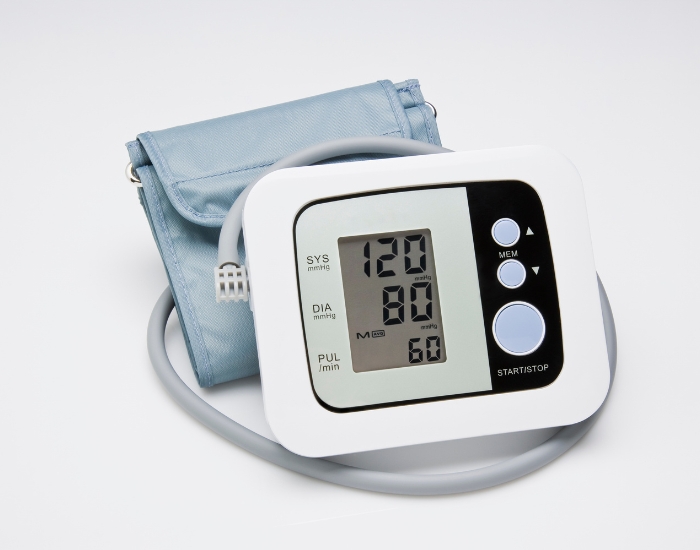
Many patients hear numbers like “120 over 80” but aren’t sure what they actually mean. Blood pressure measurements contain two values that provide important information about how your heart and blood vessels are functioning.
The top number, called the systolic blood pressure, measures the pressure inside your arteries while your heart is actively pumping blood.
The bottom number, known as the diastolic blood pressure, measures the pressure while your heart relaxes between beats.
Both numbers matter. Even if only one is consistently elevated, your physician may diagnose hypertension depending on your overall health and cardiovascular risk.
In general:
- Normal blood pressure is below 120/80 mmHg.
- Elevated blood pressure falls between normal and hypertension.
- Stage 1 hypertension typically begins at 130/80 mmHg.
- Higher readings may indicate Stage 2 hypertension.
- Very high readings, especially when accompanied by symptoms such as chest pain, severe headache, confusion, or shortness of breath, require immediate medical evaluation.
It’s also important to remember that one elevated reading does not necessarily mean you have chronic hypertension. Stress, pain, anxiety, caffeine, illness, or recent exercise can temporarily raise blood pressure. Your physician may recommend repeated measurements over several visits or home monitoring before confirming the diagnosis.
Routine physical examinations play an important role in identifying trends before blood pressure reaches dangerous levels.
Who Is Most at Risk for High Blood Pressure?
Hypertension can affect nearly anyone, but certain factors make it significantly more likely to develop. Some risk factors are beyond your control, while others can be improved through healthy lifestyle changes.
Age is one of the strongest predictors. As we grow older, arteries naturally become less flexible, making elevated blood pressure increasingly common. Family history also plays an important role. If parents or siblings have hypertension, your own risk is higher.
However, genetics tell only part of the story. Everyday habits often determine whether those inherited risks become reality.
Several lifestyle factors contribute to high blood pressure, including diets high in sodium, limited physical activity, excess body weight, chronic stress, tobacco use, excessive alcohol consumption, and inadequate sleep. Many of these factors gradually interact over years, increasing cardiovascular strain without obvious symptoms.
Certain medical conditions can also raise blood pressure or make it more difficult to control. These include:
- Diabetes
- Kidney disease
- Obesity
- Sleep apnea
- Hormonal disorders
- High cholesterol
- Thyroid disorders, including hypothyroidism
Persistent stress and untreated mental health conditions such as anxiety may also contribute to temporary or sustained increases in blood pressure, highlighting the importance of treating the whole person rather than focusing on a single number.
Because many of these conditions overlap, comprehensive care through an experienced primary care provider can help identify multiple risk factors early and develop an individualized treatment plan.
Can High Blood Pressure Cause Symptoms?
One of the biggest misconceptions about hypertension is that people assume they will “feel” when their blood pressure is too high. In reality, most people with high blood pressure experience no symptoms at all, even when their readings are significantly elevated. This is exactly why regular screenings are so important.
That said, extremely high blood pressure or long-standing uncontrolled hypertension can sometimes cause symptoms. These symptoms do not always mean high blood pressure is the direct cause, but they should never be ignored, especially if they are new, severe, or accompanied by other concerning signs.
Some people may experience:
- Persistent headaches, especially in the morning
- Dizziness or lightheadedness
- Blurred or double vision
- Nosebleeds that occur more frequently than usual
- Shortness of breath
- Chest discomfort
- Fatigue during routine activities
- Heart palpitations
- Difficulty concentrating
These symptoms can have many possible causes besides hypertension, which is why a medical evaluation is essential rather than assuming the diagnosis on your own.
Many patients in Katy are surprised to learn they have hypertension during an appointment for another concern, such as persistent fatigue, headaches, or a routine annual examination. A simple blood pressure reading often reveals a condition that has been silently developing for years.
Voice-search question: “Can you have high blood pressure without symptoms?”
The answer is yes—and that’s actually the most common scenario. Many healthy-looking adults with active lifestyles don’t realize they have hypertension until it’s detected during preventive healthcare.
What Happens If High Blood Pressure Goes Untreated?
Every day that blood pressure remains uncontrolled, the cardiovascular system works harder than it should. Over time, this constant pressure gradually damages arteries throughout the body, increasing the likelihood of serious and potentially life-threatening complications.
The heart is often the first organ affected. Because it must pump against higher resistance, the heart muscle thickens over time. Although this may initially seem beneficial, the thickened heart becomes less efficient, increasing the risk of heart failure, abnormal heart rhythms, and coronary artery disease.
The brain is equally vulnerable. High blood pressure is one of the leading causes of stroke because damaged arteries are more likely to become blocked or rupture. Reduced blood flow may also contribute to memory problems and vascular dementia later in life.
The kidneys rely on thousands of tiny blood vessels to filter waste from the bloodstream. Persistent hypertension can damage these delicate vessels, reducing kidney function and, in severe cases, leading to chronic kidney disease or kidney failure.
Vision can also be affected. Elevated blood pressure may injure the small blood vessels inside the retina, resulting in blurred vision or permanent vision loss if left untreated.
Other complications may include:
- Heart attack
- Stroke
- Heart failure
- Peripheral artery disease
- Chronic kidney disease
- Aneurysms
- Vision loss
- Cognitive decline
These complications often develop gradually, reinforcing why routine preventive care is one of the most effective ways to protect long-term health.
How Doctors Diagnose High Blood Pressure
Diagnosing hypertension involves much more than recording one elevated blood pressure reading. Physicians evaluate patterns over time while also considering your medical history, family history, current medications, lifestyle, and any underlying medical conditions.
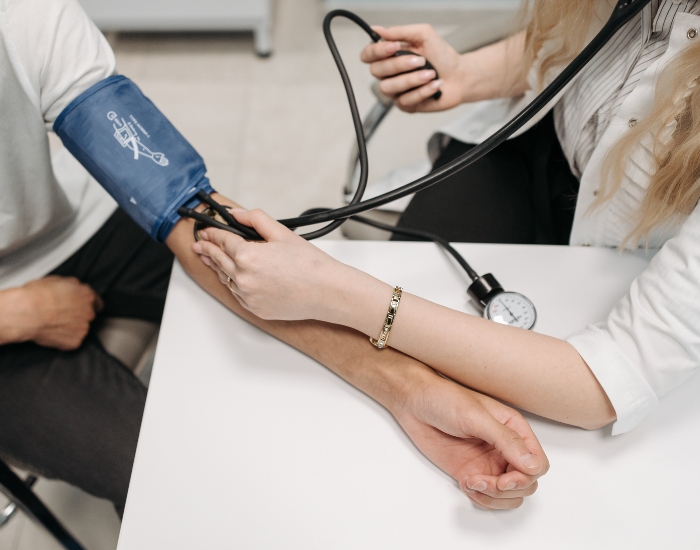
During your visit, your healthcare provider will ensure the blood pressure measurement is taken correctly. Factors such as recent caffeine intake, smoking, stress, exercise, or even talking during the measurement can temporarily increase readings.
If your numbers remain elevated over multiple visits, your physician may recommend home blood pressure monitoring. Measuring your blood pressure at home often provides a more accurate picture of your everyday readings while reducing the effects of anxiety that some patients experience during office visits.
Your evaluation may also include:
- A comprehensive physical examination
- Review of current medications
- Blood tests
- Kidney function testing
- Cholesterol screening
- Blood sugar evaluation
- Urinalysis
- Electrocardiogram (ECG) if indicated
These tests help identify both the cause of hypertension and whether it has already affected important organs.
At West Houston Internal Medicine, hypertension evaluations focus on understanding each patient’s overall health rather than simply treating a number on the blood pressure monitor.
Important Note
Seeing an elevated blood pressure reading can be stressful, but it doesn’t necessarily mean an emergency exists. Many cases of hypertension develop gradually and respond well to lifestyle improvements, medication, and regular medical follow-up. Rather than trying to diagnose or treat yourself based on internet searches alone, work with a qualified healthcare provider who can identify the underlying cause and create a treatment plan that fits your individual health needs. Early treatment can significantly reduce the risk of future complications while giving you confidence that your health is moving in the right direction.
Treatment Options for High Blood Pressure
The goal of hypertension treatment is not simply to lower numbers on a blood pressure monitor. Effective treatment protects your heart, brain, kidneys, eyes, and blood vessels while helping you maintain an active, healthy lifestyle for years to come.
Every patient’s treatment plan is unique. Some individuals can successfully lower their blood pressure through lifestyle modifications alone, while others require medication in addition to healthy habits. The right approach depends on your age, blood pressure readings, medical history, family history, and other chronic conditions.
Your physician will develop a personalized plan that focuses on both immediate blood pressure control and long-term cardiovascular health.
Healthy Lifestyle Changes
For many patients, lifestyle improvements provide the foundation of successful blood pressure management. Even modest changes can lead to measurable improvements over time.
One of the most effective strategies is reducing dietary sodium. Many processed and restaurant foods contain significantly more salt than people realize. Choosing fresh foods, preparing meals at home more often, and reading nutrition labels can make a meaningful difference.
Regular physical activity also supports healthier blood pressure by strengthening the heart and improving circulation. Most adults benefit from consistent moderate exercise throughout the week, although your physician can recommend an activity plan appropriate for your current health.
Weight management is another important component. Even a relatively small reduction in body weight may lower blood pressure and decrease the need for medication. Patients who struggle with obesity may benefit from medically supervised weight loss programs that combine nutrition guidance, lifestyle counseling, and ongoing medical supervision.
Managing stress is equally important. Chronic stress may contribute to elevated blood pressure through hormonal changes that increase heart rate and vascular resistance. Relaxation techniques, adequate sleep, regular exercise, and treatment for anxiety or depression can all support healthier cardiovascular function.
Medical Management
When lifestyle changes alone are not enough, medications become an important part of treatment. Modern blood pressure medications are highly effective and can significantly reduce the risk of heart attack, stroke, and kidney disease when taken consistently.
Several different classes of medications are available, and your physician will recommend the option—or combination of options—that best matches your health profile.
Finding the right medication sometimes requires patience. Your healthcare provider may adjust dosages or change medications over time to achieve the best results while minimizing side effects.
One of the most common mistakes patients make is stopping medication because they feel better. Since hypertension often causes no symptoms, people sometimes believe they no longer need treatment once their blood pressure improves. In reality, the medication is often the reason those numbers have returned to a healthier range.
Always discuss any concerns or side effects with your physician before changing or stopping prescribed medications.
Lifestyle Changes That Can Help Lower Blood Pressure Naturally
While medication is an important part of treatment for many people, healthy daily habits remain one of the most powerful tools for controlling high blood pressure. In fact, many patients notice measurable improvements after making consistent lifestyle changes, especially when those changes are supported by regular follow-up with their primary care physician.
Rather than trying to change everything at once, focus on building sustainable habits. Small improvements made consistently often have a greater long-term impact than drastic changes that are difficult to maintain.
Choose a Heart-Healthy Diet
Nutrition plays a central role in blood pressure management. A diet rich in vegetables, fruits, whole grains, lean proteins, legumes, and healthy fats helps support healthy blood vessels and overall cardiovascular function. Limiting processed foods, sugary beverages, and excessive saturated fats can further reduce cardiovascular risk.
Many packaged foods contain surprisingly high amounts of sodium. Reading nutrition labels, cooking at home more often, and flavoring meals with herbs and spices instead of salt can significantly reduce daily sodium intake.
Stay Physically Active
Regular exercise strengthens the heart, allowing it to pump blood more efficiently with less effort. Adults who participate in moderate physical activity most days of the week often experience improvements in blood pressure, weight management, cholesterol levels, and overall energy.
If you have not exercised regularly or have existing heart disease, speak with your physician before beginning a new exercise program. A personalized plan helps you stay safe while working toward your health goals.
Maintain a Healthy Weight
Excess body weight places additional strain on the cardiovascular system. Even losing 5% to 10% of your body weight may improve blood pressure and reduce the risk of diabetes, heart disease, and sleep apnea.
Patients who need additional support may benefit from medically supervised weight management or the clinic’s medical weight loss program, which combines individualized nutrition guidance with ongoing physician oversight.
Prioritize Sleep and Stress Management
Long-term stress doesn’t always cause hypertension by itself, but it can contribute to unhealthy habits and temporary blood pressure spikes. Poor sleep, untreated sleep apnea, chronic anxiety, and persistent stress may all make blood pressure more difficult to control.
Activities such as walking, yoga, meditation, spending time outdoors, practicing deep breathing, or simply creating a consistent bedtime routine can support better cardiovascular health. Patients experiencing persistent stress, anxiety, or depression should seek medical care, as mental and physical health are closely connected.
Blood Pressure Medications: What Patients Should Know
When lifestyle changes alone are not enough to achieve healthy blood pressure levels, medication becomes an essential part of treatment. Today’s blood pressure medications have been extensively studied and are highly effective at reducing the risk of stroke, heart attack, kidney disease, and other complications associated with uncontrolled hypertension.
Your physician may prescribe one medication or a combination of medications depending on your blood pressure readings, age, kidney function, diabetes status, and overall cardiovascular risk.
Common medication classes include:
- ACE inhibitors
- Angiotensin receptor blockers (ARBs)
- Calcium channel blockers
- Thiazide diuretics
- Beta blockers (for selected patients)
Each medication works differently, and finding the most effective option sometimes requires adjustments over time. It’s important to take medications exactly as prescribed, even if you feel well. High blood pressure often causes no symptoms, so stopping medication without medical guidance can allow blood pressure to rise again without you realizing it.
If you experience side effects, don’t discontinue treatment on your own. Your healthcare provider can often adjust the dosage or recommend another medication that better fits your needs.
Why Home Blood Pressure Monitoring Matters
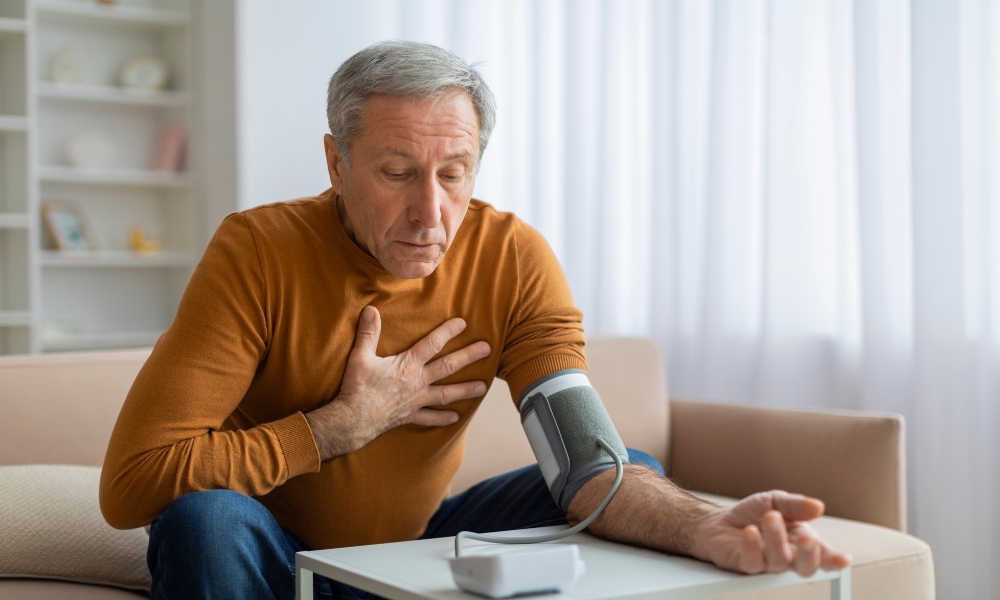
Checking your blood pressure at home provides valuable information that complements office visits. It allows your physician to see how your blood pressure behaves during your normal daily routine rather than relying on a single reading taken in a medical office.
Some patients experience “white coat hypertension,” where blood pressure temporarily rises because of anxiety during a doctor’s appointment. Others have masked hypertension, meaning their office readings appear normal while blood pressure remains elevated at home.
To obtain the most accurate readings:
- Measure your blood pressure at the same time each day.
- Rest quietly for at least five minutes before checking.
- Sit with your feet flat on the floor and your back supported.
- Keep your arm supported at heart level.
- Avoid caffeine, smoking, or exercise for at least 30 minutes beforehand.
- Record your readings and bring them to your appointments.
Consistent monitoring helps your physician evaluate whether your current treatment plan is working and whether any adjustments are necessary.
When Should You See a Doctor for High Blood Pressure?
You should schedule an appointment with a healthcare provider if your blood pressure readings are consistently elevated, even if you feel completely well. Because hypertension often develops without symptoms, waiting until you feel sick may allow preventable complications to develop.
You should also seek medical evaluation if you have risk factors such as diabetes, kidney disease, obesity, high cholesterol, a family history of hypertension, or previous cardiovascular disease.
Seek immediate emergency medical care by calling 911 if you experience severely elevated blood pressure along with symptoms such as:
- Chest pain
- Difficulty breathing
- Sudden weakness or numbness
- Confusion
- Difficulty speaking
- Vision loss
- A severe, sudden headache unlike any you’ve experienced before
These symptoms may indicate a hypertensive emergency, heart attack, or stroke and require immediate medical attention.
Comprehensive High Blood Pressure Care in Katy, TX
Managing hypertension is about much more than lowering numbers on a blood pressure monitor. At West Houston Internal Medicine, patients receive comprehensive, individualized care designed to reduce long-term cardiovascular risk while improving overall health and quality of life.
Whether you have recently been diagnosed with hypertension or have struggled to keep your blood pressure under control for years, ongoing medical care can make a meaningful difference. Treatment plans are tailored to each patient’s medical history, current medications, lifestyle, and health goals.
Our team provides preventive care, chronic disease management, medication monitoring, lifestyle counseling, and regular follow-up visits to help patients reduce their risk of heart disease, stroke, kidney damage, and other complications associated with uncontrolled hypertension.
Many patients also benefit from coordinated management of related conditions, including diabetes, chronic kidney disease, obesity, thyroid disorders, and other chronic medical conditions.
If you live in Katy, Fulshear, or the Greater Houston area, establishing care with a trusted primary care physician is one of the best steps you can take to protect your long-term cardiovascular health.
Frequently Asked Questions
Can high blood pressure go away on its own?
In most cases, no. While temporary factors like stress or illness can cause short-term increases, chronic hypertension usually requires ongoing lifestyle changes, medication, or both to remain under control.
What is considered dangerously high blood pressure?
Very high blood pressure readings, particularly when accompanied by chest pain, shortness of breath, confusion, severe headache, or vision changes, may represent a medical emergency. Seek immediate medical care if these symptoms occur.
Can stress cause high blood pressure?
Stress can temporarily raise blood pressure and may contribute to long-term hypertension when combined with unhealthy lifestyle habits. Managing stress is an important part of an overall treatment plan.
How often should I check my blood pressure?
Your physician will recommend a monitoring schedule based on your health history. Patients with hypertension often benefit from regular home monitoring in addition to office visits.
Can losing weight lower blood pressure?
Yes. Even modest weight loss may significantly improve blood pressure while reducing the risk of diabetes, heart disease, and other chronic conditions.
Does high blood pressure always cause headaches?
No. Most people with hypertension experience no symptoms at all. Headaches may occur with severely elevated blood pressure, but many other conditions can also cause headaches, making proper medical evaluation essential.
Take Control of Your Heart Health Today
High blood pressure is common, but it doesn’t have to control your future. With regular screenings, healthy lifestyle choices, personalized treatment, and ongoing medical support, most people can successfully manage hypertension and dramatically reduce their risk of heart disease, stroke, kidney damage, and other serious complications.
If you’re due for a blood pressure check or have concerns about your cardiovascular health, don’t wait for symptoms to appear. Preventive care today can help protect your health for years to come. At West Houston Internal Medicine, we’re committed to helping adults throughout Katy, Fulshear, and Greater Houston achieve healthier blood pressure and live healthier lives through compassionate, evidence-based primary care.
Medical Disclaimer
This article is intended for educational purposes only and should not be considered a substitute for professional medical advice, diagnosis, or treatment. Always consult a qualified healthcare provider regarding any medical concerns or before making changes to your medications, diet, or treatment plan. If you believe you are experiencing a medical emergency, call 911 or seek emergency medical care immediately.