Warning Signs, Serious Causes, and When Stomach Pain Needs Medical Attention
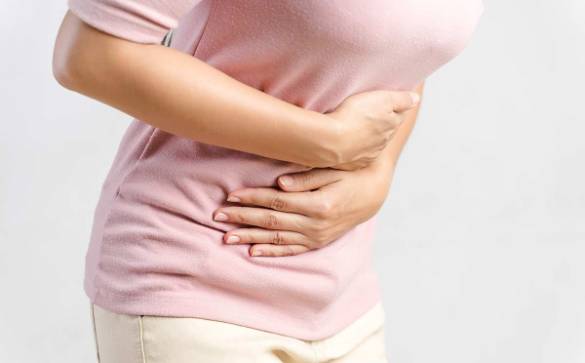
Abdominal pain is one of the most common symptoms people experience. Sometimes it is caused by gas, indigestion, constipation, food intolerance, or a mild stomach virus. Other times, abdominal pain can be a warning sign of a serious condition such as appendicitis, gallbladder disease, pancreatitis, bowel obstruction, diverticulitis, kidney stones, ulcers, infection, or internal inflammation.
The key question is not only where the pain is located, but how severe it is, how long it lasts, what symptoms come with it, and whether it is getting worse. Mild stomach pain that improves quickly may not be dangerous. But severe, persistent, worsening, or unusual abdominal pain should never be ignored.
When Is Abdominal Pain an Emergency?
Abdominal pain may be an emergency when it is severe, sudden, or associated with symptoms that suggest infection, bleeding, blockage, inflammation, or organ-related problems.
Seek emergency medical care immediately if abdominal pain occurs with any of the following:
- Severe or unbearable abdominal pain
- Pain that starts suddenly and gets worse quickly
- Fever or chills
- Repeated vomiting
- Vomiting blood
- Black, tarry, or bloody stool
- Chest pain or pressure
- Shortness of breath
- Fainting, dizziness, or confusion
- Hard, swollen, or very tender abdomen
- Yellowing of the skin or eyes
- Severe pain during pregnancy
- Pain after a fall, accident, or injury
- Inability to pass stool or gas with swelling
Abdominal Pain Location: What It May Mean
The location of abdominal pain can help identify possible causes, although it cannot confirm a diagnosis by itself.
Upper Right Abdominal Pain
Upper right abdominal pain may be related to gallbladder disease, gallstones, liver inflammation, hepatitis, stomach ulcers, or acid reflux. Pain after fatty foods that spreads to the back or right shoulder may suggest a gallbladder problem.
Upper Middle Abdominal Pain
Upper middle pain may be linked to indigestion, gastritis, acid reflux, stomach ulcer, pancreatitis, or heart-related symptoms. If upper abdominal pain comes with chest pressure, sweating, shortness of breath, jaw pain, or left arm pain, seek emergency care.
Upper Left Abdominal Pain
Upper left abdominal pain may involve the stomach, pancreas, spleen, left kidney, ribs, or muscles. Possible causes include gastritis, ulcer, pancreatitis, kidney stones, muscle strain, or spleen-related issues.
Lower Right Abdominal Pain
Lower right abdominal pain can be a warning sign of appendicitis, especially when pain starts near the belly button and moves to the lower right side. Pain may worsen with walking, coughing, or movement.
Lower Left Abdominal Pain
Lower left abdominal pain may be caused by constipation, gas, diverticulitis, IBS, kidney stones, urinary infection, or colon inflammation. Diverticulitis commonly causes lower left abdominal pain in adults.
Lower Abdominal or Pelvic Pain
Lower abdominal pain may come from the bladder, colon, reproductive organs, urinary tract, or pelvic structures. In women, urgent causes may include ectopic pregnancy, ovarian cyst complications, pelvic infection, or severe endometriosis-related pain.
Common Causes of Abdominal Pain
1. Gas and Bloating
Gas can cause cramping, pressure, bloating, and pain that moves around the abdomen. It often improves after passing gas or having a bowel movement. Gas pain is usually not dangerous unless it is severe, persistent, or comes with vomiting, fever, or abdominal swelling.
2. Constipation
Constipation can cause lower abdominal pressure, cramping, bloating, and discomfort. It may happen from low fiber intake, dehydration, lack of movement, medications, or changes in routine. Severe constipation with vomiting, swelling, and inability to pass gas may require urgent care.
3. Indigestion or Acid Reflux
Indigestion can cause upper abdominal discomfort, burning, burping, nausea, or fullness after eating. Acid reflux may cause burning pain in the chest or upper abdomen, sour taste, throat irritation, or symptoms that worsen when lying down.
4. Stomach Virus or Food Poisoning
A stomach infection may cause cramps, nausea, vomiting, diarrhea, fever, and weakness. Most mild cases improve with hydration and rest. However, severe dehydration, bloody diarrhea, high fever, or persistent vomiting should be evaluated.
5. Appendicitis
Appendicitis usually causes pain that begins near the belly button and moves to the lower right abdomen. It may come with nausea, vomiting, fever, loss of appetite, and pain that worsens with movement. Untreated appendicitis can lead to a ruptured appendix, which is a medical emergency.
6. Gallbladder Disease
Gallbladder pain often appears in the upper right abdomen after eating fatty or greasy meals. It may spread to the back or right shoulder and may come with nausea, vomiting, fever, or chills. Severe gallbladder attacks need medical evaluation.
7. Pancreatitis
Pancreatitis is inflammation of the pancreas. It can cause severe upper abdominal pain that may spread to the back and worsen after eating. It may also cause nausea, vomiting, fever, fast heartbeat, and weakness. Pancreatitis can be serious and should not be ignored.
8. Diverticulitis
Diverticulitis happens when small pouches in the colon become inflamed or infected. It often causes lower left abdominal pain, fever, nausea, constipation, diarrhea, or tenderness. Some cases require antibiotics, imaging, or hospital treatment.
9. Kidney Stones
Kidney stones may cause sharp pain in the side, back, lower abdomen, or groin. The pain may come in waves and may be associated with nausea, vomiting, blood in urine, burning urination, or frequent urination.
10. Urinary Tract Infection
A urinary tract infection can cause lower abdominal pain, burning urination, frequent urination, pelvic pressure, cloudy urine, or fever. If infection spreads to the kidneys, it may cause back pain, fever, chills, nausea, or vomiting.
11. Stomach Ulcer
An ulcer can cause burning or gnawing upper abdominal pain. Warning signs include black stool, vomiting blood, unexplained weight loss, severe pain, or persistent nausea. These symptoms need prompt medical attention.
12. Bowel Obstruction
A bowel obstruction can cause severe abdominal pain, swelling, vomiting, constipation, and inability to pass gas. This can be dangerous and requires urgent medical care.
When Abdominal Pain Should Not Be Ignored
You should not ignore abdominal pain that:
- Lasts more than a few days
- Gets worse over time
- Keeps coming back
- Wakes you from sleep
- Prevents eating or drinking
- Causes unexplained weight loss
- Comes with fever or night sweats
- Comes with bowel habit changes
- Comes with blood in stool
- Feels different from your usual stomach discomfort
Abdominal Pain After Eating: When to Worry
Abdominal pain after eating may be caused by indigestion, acid reflux, gastritis, ulcers, gallbladder disease, IBS, food intolerance, or pancreatitis. You should worry if the pain happens repeatedly, becomes severe, occurs after fatty meals, spreads to the back or shoulder, or comes with vomiting, fever, weight loss, or black stool.
Abdominal Pain With Fever
Fever with abdominal pain may suggest infection or inflammation. Possible causes include appendicitis, diverticulitis, gallbladder infection, kidney infection, pancreatitis, pelvic infection, or intestinal infection. Fever with worsening abdominal pain should be medically evaluated.
Abdominal Pain With Vomiting
Vomiting with abdominal pain may happen with stomach viruses, food poisoning, gallbladder disease, appendicitis, pancreatitis, kidney stones, or bowel obstruction. Repeated vomiting can cause dehydration and may require urgent care.
Abdominal Pain With Blood in Stool
Blood in stool should always be taken seriously. Possible causes include hemorrhoids, ulcers, infections, inflammatory bowel disease, diverticular bleeding, colon polyps, or colorectal cancer. Black stool may suggest bleeding higher in the digestive tract and should be evaluated promptly.
Abdominal Pain in Children
Children may not always describe pain clearly. Parents should seek medical care if a child has severe pain, persistent vomiting, fever, swollen belly, blood in stool, pain while walking, dehydration, or pain in the lower right abdomen. Appendicitis can progress quickly in children.
Abdominal Pain in Older Adults
Older adults may have serious abdominal conditions with less obvious symptoms. They should seek medical evaluation for new, persistent, severe, or unusual abdominal pain, especially if they have fever, weakness, confusion, vomiting, weight loss, or changes in bowel habits.
How Doctors Diagnose Abdominal Pain
A healthcare provider may ask about the pain location, timing, severity, food triggers, bowel habits, urinary symptoms, fever, vomiting, medications, medical history, pregnancy possibility, and recent travel or illness.
Testing may include:
- Physical examination
- Blood tests
- Urine test
- Pregnancy test when appropriate
- Stool test
- Ultrasound
- CT scan
- Endoscopy
- Colonoscopy
What Can You Do for Mild Abdominal Pain?
If pain is mild and there are no warning signs, simple steps may help:
- Drink water
- Eat bland foods temporarily
- Avoid greasy, spicy, or heavy meals
- Walk gently to help gas move
- Avoid carbonated drinks if bloated
- Use a warm compress for mild cramps
- Track food triggers
- Avoid lying down immediately after eating
Do not use home care as a substitute for medical evaluation if pain is severe, worsening, persistent, or associated with warning signs.
Frequently Asked Questions
How do I know if abdominal pain is serious?
Abdominal pain may be serious if it is severe, sudden, worsening, persistent, or comes with fever, vomiting, bloody stool, black stool, chest pain, fainting, confusion, pregnancy, or a swollen hard abdomen.
When should I go to the ER for stomach pain?
Go to the ER if stomach pain is severe, rapidly worsening, associated with chest pain, fainting, high fever, repeated vomiting, blood in stool, vomiting blood, severe tenderness, or abdominal swelling.
Can abdominal pain be caused by gas?
Yes. Gas can cause cramping, bloating, pressure, and pain that moves around. It often improves after passing gas. Severe or persistent pain should still be checked.
What side is appendix pain on?
Appendix pain is usually felt in the lower right abdomen. It may start near the belly button and move to the lower right side. Pain often worsens with movement, coughing, or walking.
What does gallbladder pain feel like?
Gallbladder pain often feels like upper right abdominal pain after eating fatty foods. It may spread to the back or right shoulder and may come with nausea or vomiting.
Can stress cause abdominal pain?
Yes. Stress can affect digestion and may trigger cramping, bloating, acid reflux, IBS symptoms, nausea, or appetite changes. However, serious symptoms should not be blamed on stress without evaluation.
Can abdominal pain be a sign of cancer?
Most abdominal pain is not cancer. However, persistent pain with unexplained weight loss, blood in stool, anemia, loss of appetite, or major bowel habit changes should be evaluated by a healthcare provider.
Final Thoughts
Abdominal pain can come from many causes, ranging from simple gas and indigestion to serious conditions such as appendicitis, gallbladder disease, pancreatitis, bowel obstruction, diverticulitis, ulcers, or infection. The safest approach is to pay attention to severity, duration, location, and warning symptoms.
Mild abdominal discomfort that improves quickly may not be serious. But severe, persistent, worsening, or unusual pain should be checked by a healthcare professional. Early diagnosis can help prevent complications and provide the right treatment faster.
Disclaimer: This article is for general educational purposes only and does not replace medical advice, diagnosis, or treatment. If abdominal pain is severe, worsening, persistent, or associated with emergency warning signs, seek medical care immediately.